A good balance saving management skill is one of the most essential tools to getting financial security. Too many individuals just look at making more money, and financial success is about saving, spending, and investing. In Argentina, where inflation and economic uncertainty can impact purchasing power, it is particularly important to have a good balance between these three financial practices. Planning is essential so that individuals can keep more of their earnings, can plan for the unexpected, and can increase their wealth over time.
It doesn’t take a lot of money to find the right balance. Instead, it relies on developing a sensible financial plan that will fit your lifestyle and long-lasting objectives. If you can learn how to allocate your earnings properly, you will enjoy today’s needs and also provide yourself with a better financial future as well.
The importance of financial balance.
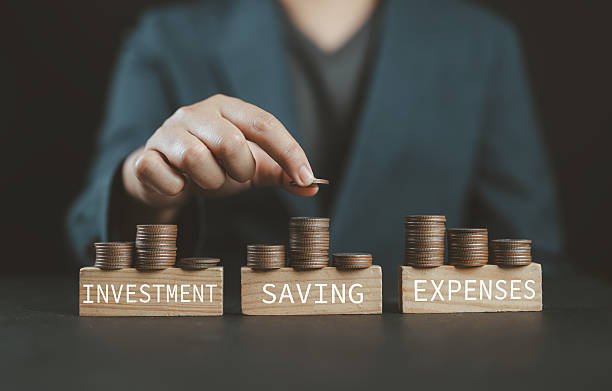
Managing finances with a balance saving, spending and investing ensures you’re not stressed about finances and you are always ready for the unexpected. Saving provides a safety belt, responsible spending means you can spend money without unnecessary debt, and investing means you can have money grow over time.
Financial Balance Saving is especially desirable for those in Argentina because in an unstable economy, money that is not being used is not as valuable. Smart saving and strategic investments go hand in hand to sustain the purchasing power and achieve the financial goals.
Know your monthly income.
The first step is to know precisely how much cash flows into your home on a monthly basis. List salaries, freelance income, business income, rental income and any other steady income.
Track Your Expenses
People tend to underestimate their monthly expenses. Keeping track of all of your spending for a few weeks gives you a clear idea of how you are spending and where you can save.
Another benefit of keeping track of expenses is that it makes it easier to differentiate between wants and needs.
Make a Realistic Budget
Your Budget is your spending plan. You do not waste a penny, you plan how you would spend each peso.
A good budgeting strategy is:
- Approximately half of the expenses to cover essential needs.
- Per capita spending and lifestyle around 30%.
- About 20% of saving and investment.
Create an Emergency Fund.
Prioritize establishing an emergency fund before investing a lot of money. Medical costs, house repairs, loss of employment, car costs, and other things can occur at any time.
Save Consistently
Saving should be done on a regular basis, not occasionally. via consistency: Even little amounts of money add up over time.
It is also advisable to periodically review savings strategies for those who live in Argentina, as the cash in their long-term savings may lose value as a result of inflation.
Spend With Purpose
Spending responsibly doesn’t necessarily mean that you don’t buy anything fun. Rather, it involves careful consideration and planning based on your financial objectives.
Don’t make any hasty or premature purchases, try to wait a day before making large purchases. After a while, sometimes the need to buy goes away.
Reduce Unnecessary Expenses
Some examples are cutting down on unused subscriptions, dining out less, shopping with price comparison, buying things on discount, and avoiding regular impulse buying.
You can save a ton over the course of a year by making some minor changes each month.
Begin Investing Early
Your money grows with investments, not if it is idle. The sooner you start investing, the longer your investments can reap the rewards of long-term growth and compound returns.
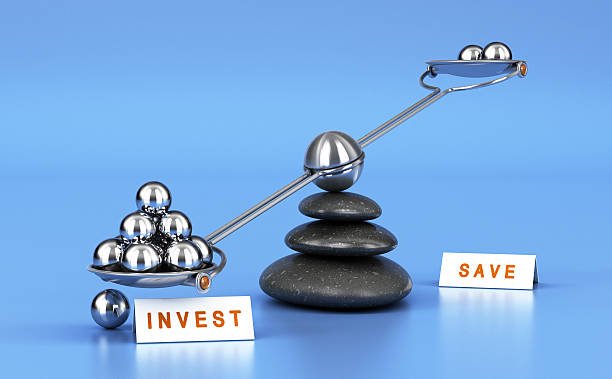
Small amounts saved over a long period of time can be significant.
Diversify Your Investments
Investing in a single investment carries more risk. This can involve investing in stocks, bonds, mutual funds, exchange-traded funds (ETFs), real estate, or other appropriate investments that align with your financial objectives and risk tolerance.
Diversification is a strategy used to minimize the risk from a single investment.
Consider Inflation
Inflation is an important financial factor in Argentina. As your savings rate is less meaningful than the inflation rate, your purchasing power may fall over time.
That’s why many investors look for investment opportunities that can help them beat inflation and align with their risk appetite and investment goals.
It’s important to check your investment strategy regularly to ensure it continues to serve your long-term objectives.
Avoid High-Interest Debt
Debt with high interest rates can make it difficult to save and invest. Expensive debt is often a priority to pay off due to the fact that the interest payments could be higher than the potential returns on investment.
A wise approach to credit cards and personal loans helps keep financial flexibility up and running.
Establish clear, financial goals.
Individuals are more likely to succeed in saving and investing if they have some goals.
Your objective could be home ownership, business start up, education, traveling, retirement or personal independence.
Clear goals are motivating and easier to make financial decisions.
Go over Your Financial Plan periodically.
Change in financial circumstances can be caused by many factors such as changes in income, family responsibilities, career change or economic conditions. Revisit your budget, savings and investments every couple of months to make sure that they’re in line with your current requirements.
Learn how to build healthy financial habits.
Financial stability starts with simple habits like bill payments, no impulsive borrowing, monthly savings, regular investments and tracking finances.
Conclusion
It is important to achieve a balance in saving, spending and investing and this is the cornerstone of long-term financial health. Here in Argentina, when economic and inflationary environments can impact personal finances, it is even more crucial to have a solid financial plan. Making a realistic budget, establishing an emergency fund, regulating unnecessary spending and investing regularly can help bolster a person’s financial future without sacrificing their current lifestyle. Today’s small, disciplined financial decisions can help ensure more security, flexibility and wealth in the years to come.

FAQs
What is an appropriate percentage of the monthly income to save?
The general rule is to save 20% of your monthly income, but it varies by individual based on financial objectives and expenses.
Is saving money before investing a good idea?
Yes. The first thing to do before Balance Saving in the long term is to build an emergency fund to ensure financial safety.
Why is the diversification of investments important?
Diversification is using multiple assets to spread your investments and minimize risk while enhancing long-term financial stability.
How often do you need to check your finances plan?
It’s a good idea to check on finances, savings and investments every six months or three months.