Introduction
When it comes to taking out a loan in Brazil, it’s important to have a good credit score. Credit scores assess your payment history, financial habits and your capacity to repay borrowed money on the part of financial institutions. The higher the score, the more likely you will be to get a loan approved and better interest rates.
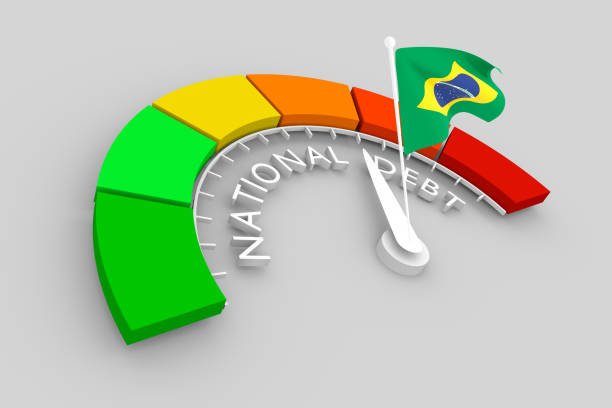
If you’re thinking about getting a personal loan, auto loan, or another type of financing, there are several things you can do to help improve your credit profile and help you get the best loan rates available. Making minor adjustments to your finances, like paying bills on time and minimizing your debts, can make a difference over time when it comes to your credit score.
Knowing credit scores is very important in Brazil.
Credit scores in Brazil are used by banks and other finance companies to determine the risk of loaning money to a customer. Your credit history details how you’ve paid your bills, what you owe and how you use your credit.
Getting a higher credit score means to the lender that you have a greater chance of paying bills on time. A lower score can make it more difficult to get a loan or could mean that you will have to pay a higher interest rate.
Before applying for a loan, review your credit report.Review your credit report before you take out a loan.
The first step to getting a better credit score is to know the state of your credit. Review your own credit report, and ensure that everything is accurate.
Check for unpaid debts, wrong information, or records that are out of date that could adversely impact your score. If you discover errors, ask the credit bureau or financial institution to make corrections.
Pay Bills on Time
One of the most significant credit score influences is your payment history. If you do not pay your loans back on time, or do not pay your credit card, utility or other bills on time, you may lower your score.
To prevent missed due dates, you can set up reminders or automatic payments. Making your payments on time consistently will demonstrate to your lender that you are financially responsible.
Reduce Existing Debts
Debt can be a negative to your credit profile. If you are considering taking out a loan, you may want to pay off some of your debt, particularly on your credit cards.
Paying off more debt will have a positive effect on your finances, and could help you secure more favorable loan rates.
Don’t take out too many loans.
Each loan application can impact the lending perspective on your finances. If you apply repeatedly in a short timeframe, it can seem like you are in need of money.
Compare the different loan types and apply only if you have found an appropriate loan. Ensure that financial information is kept up to date. Make sure that your own data is current with financial institutions and credit bureaus to boost your credit profile.
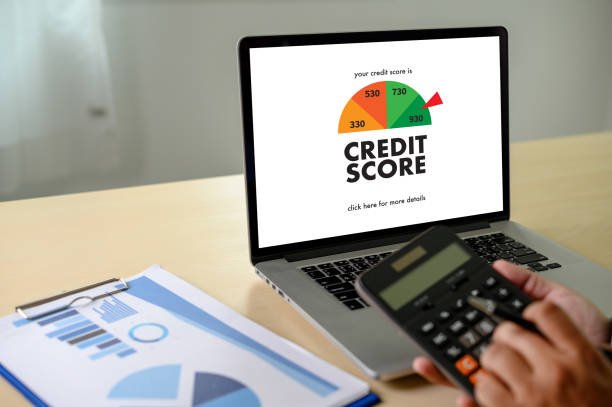
Ensure your address, telephone number and employment information is correct. Lenders need up-to-date information to confirm your identity and financial stability.
Use Credit Responsibly
Having any amount of credit history helps create a better financial profile. But paying too much of what you can obtain credit will have a negative impact on your credit.
Avoid using credit to the extreme and pay off your debts in full whenever possible.
Maintain a good payment record.
A better credit score is not achieved overnight, and it takes a combination of good financial practices to develop. By paying bills on time, using credit responsibly and paying off debts well, you can gradually build a better credit history.
In the future, having a good payment history will help you secure loans with more favorable terms.
Before applying, look at paying outstanding debts:
Paying off unpaid debts prior to asking for a loan could help one get approved. Lenders typically want borrowers that have a smaller number of financial obligations. Satisfying the debt to the financial institutions may also improve the relationship.
How long will it take to improve the credit score in Brazil?
The length of time it takes to build up a credit score will depend on your financial situation. Certain improvements will take place once there is an error correction or payment of over-due debts, while building a solid credit history takes several months of sound financial practices.
The advantages of getting a better credit score prior to a loan.
Having a higher credit score may offer a number of benefits when financing. For borrowers with good credit worthiness, one can expect to have access to:
- An increased likelihood of loan approval.
- Lower interest rates
- Better repayment conditions
- More financial opportunities
Final Thoughts
Having a good credit score before applying for a loan in Brazil can improve the likelihood of a loan being granted and the conditions of the loan that are offered. A positive financial stance involves establishing positive financial behaviors, paying off debts and making timely payments.
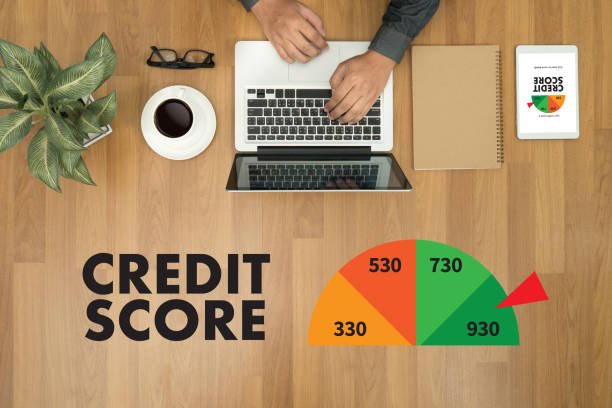
Prior to the loan application, review and enhance your finances and credit. This higher score will make it easier for you to secure a lower-cost loan and to better control the way you manage loans.
Frequently Asked Questions (FAQs)
What credit score is considered good in Brazil?
Credit scores will vary by credit bureau, but typically the higher the score, the more reliable your financial situation is, and the less risk the lender will see.
Is there a loan for people who have poor credit in Brazil?
Yes, there are lenders who will lend to those with lower scores, but interest rates may be higher, and they may be less desirable.
What is the fastest way to improve credit score?
There are several ways to boost your score, such as paying bills on time, paying off debts, checking your credit report and maintaining good payment practices.
Can I build up my credit score by paying off the debt?
Outstanding debt payments can help your financial profile, but it will take time to see the scores change, depending on your credit system.
How frequently should I get a credit check?
Regular monitoring of your credit report can assist you in detecting errors, keep track of your financial standing, and safeguard your credit history.
Does credit card usage contribute to good credit?
Using the credit card wisely is an effective way to establish a good credit history. It is important to make timely payments and not carry large balances.