Introduction
A lot of Filipinos think that they must have a high salary before they can save for emergency fund. This is one of the top myths when it comes to personal finance, though. The reality is that you can save enough money to have an emergency fund even on a modest income. The secret is consistency, discipline and smart money management and not a big paycheck.
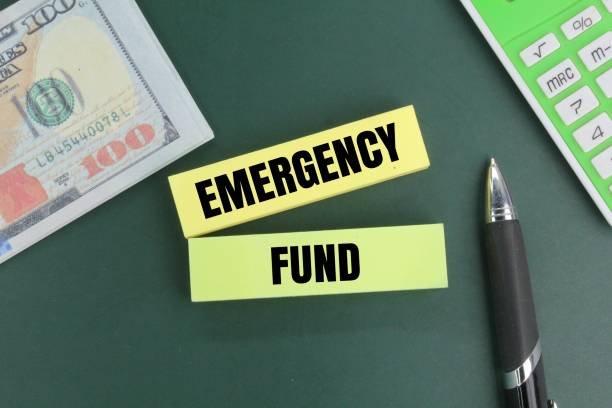
If you’re working for low pay, self-employed, a student or running a small business, the goal of having an emergency fund to keep you and your family financially safe is within reach.
What is an Emergency Fund?
An emergency fund is the savings money that is kept for the unforeseen. This is not a savings account for vacation or shopping, but rather, it’s for actual emergencies.
Examples include:
- Medical emergencies
- Job loss
- Major home repairs
- Auto or motorcycle repair.Vehicle repair or bicycle repair.
- Family emergencies
- Natural disasters
- Unexpected travel due to emergency needs.
An emergency fund will help you not have to borrow from friends or family or take out a loan with a high interest rate when you’re in a bind.
Why is it important to have an Emergency Fund?
Having no emergency savings can lead to a financial burden if you have any unexpected expense. Many people resort to credit cards or personal loans, which can be problematic and create debt and financial strain.
The advantages of having an emergency fund are:
- Reduced financial stress
- More time to enjoy life.
- Insurance coverage against unforeseen expenses.
- Reduce the amount borrowed
- Better financial independence
- Better financial outlook over the long-term
Having cash on hand for emergencies can help you to make sound financial choices without getting panicky. To find the amount you have saved, ask yourself what your savings goal is. Three to six months of living expenses is a suggested amount to save, according to financial experts.
For instance, if you have ₱20,000 worth of monthly expenditures:
- Three months = ₱60,000
- Six months = ₱120,000
- If these amounts are too much then there is no reason to worry. Start with a smaller goal, such as ₱5,000 or ₱10,000, and gradually increase your savings over time.
- Make a Realistic Budget
- The first step to saving is to know where your money is going every month.
Write down:
- Salary or income
- Rent and housing expenditures
- Utilities
- Transportation
- Food
- Bills from the Internet and the phone company.Internet and phone bills.
- Debt payments
- Entertainment
- Miscellaneous expenses
A budget can be used to help determine what you’re wasting money on and can also give you the chance to save. Save a little money on a regular basis. There’s no need to save thousands of pesos each month.
Examples include:
- What’s most important is consistency. Small savings build up on a long-term basis and will eventually amount to a significant emergency fund.
- Reduce Unnecessary Expenses
- A lot of people buy things they don’t really need.
Consider reducing:
- Dining out frequently
- Impulse shopping
- You use a premium subscription infrequently.Rarely used premium subscriptions
- Expensive coffee purchases
- Frequent online shopping
You could make faster strides towards your emergency fund by allocating such savings to your emergency fund.
Increase Your Income
Cutting costs is a crucial part of saving, but generating more money can also speed up the savings process.
Some other feasible side business ideas are:
- Freelancing
- Online tutoring
- Selling handmade products
- Food delivery
- Virtual assistance
- Vend on social media or marketplaces online.
- Graphic design
- Content writing
Just any extra money that is set aside solely for your emergency fund can add up.
Automate Your Savings
If you can do this, automating the transfer from your salary account to your savings account each payday is a great idea.
Pay your savings as if it is a bill. This minimizes temptation to spend the money prior to saving it.
Automation further contributes to creating a habit of saving.
You need to have your Emergency Fund separate.
Don’t use your regular monthly spending account for emergency savings.
Separating the money into a savings account helps you minimize the risk of using it for other things you don’t really need.
In an emergency, you should be able to access your emergency fund, but not so easily that you rush into purchases you wouldn’t otherwise be able to afford.
Do not use the Fund for non-emergencies
You will want to establish a criteria for what constitutes a true emergency.
An actual emergency could be:
- Hospital expenses
- Job loss
- Urgent home repairs
- Essential family emergencies
Non-emergency expenses include:
- New gadgets
- Vacations
- Fashion purchases
- Entertainment
- Holiday shopping
Always keep your emergency fund separate from other funds and only use it in an emergency.
Use it and rebuild the Fund. Emergencies occur from time to time and it is because of this reason that the fund has been established. When you feel like you need to use some of your savings, consider saving money a priority once you’ve got a better grasp on your finances.
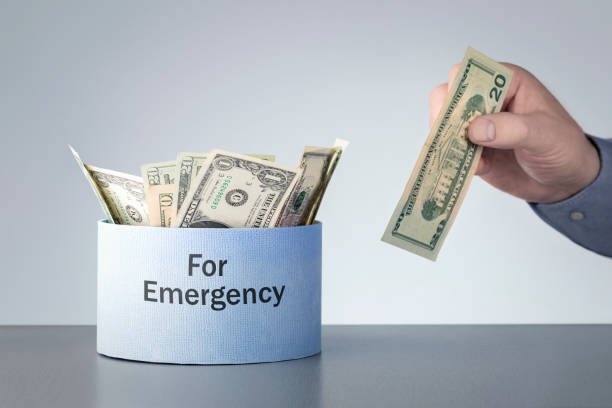
Gradual contributions will over time rebuild your safety net. Stay Motivated With a limited income, it will take time to start building up an emergency fund.
Celebrate small milestones:
- First ₱1,000 saved
- First ₱5,000
- First ₱10,000
- The cost of a month’s living, or one month’s expenses.
- Three months’ living expenses
It’s important to take time to note your progress, which helps keep you on track and motivated to keep saving.
Additional Money-Saving Tips
If you want to build your emergency fund more quickly:
- Eat more homemade food.
- Shop around when buying goods.
- If feasible, ride public transport.
- Only purchase what you really require.
- Avoid unnecessary debt.
- Take advantage of discounts and promotions.
- Spend some of your money on selling unneeded items from your home.
- Make regular tracking of any expenses.
There are many small lifestyle changes you can make that will save you a lot of money in the long run.
Final Thoughts
It can be difficult to save enough in case of an emergency fund , especially with a modest income, but it’s possible with patience and discipline. Each peso saved is one more peso to ensure your financial security and set you up for life’s surprises.
Keep in mind you don’t have to save up a ton of cash over night. Begin with as much money as you can save and keep saving, and slowly add more money to your saving plan as you become able to. In time, the little bits will add up to a good financial buffer that will keep you and your family safe.
Financial success starts with the first step. Save little by little, starting now, and enjoy peace of mind and security in the future with an emergency fund.