The first thing one thinks about when it comes to budgeting is sacrificing all the things you love in life, but that isn’t the case. A smart budget just provides your cash with a goal. It can help you to save effectively, enjoy life in your budget and be wise with your money.
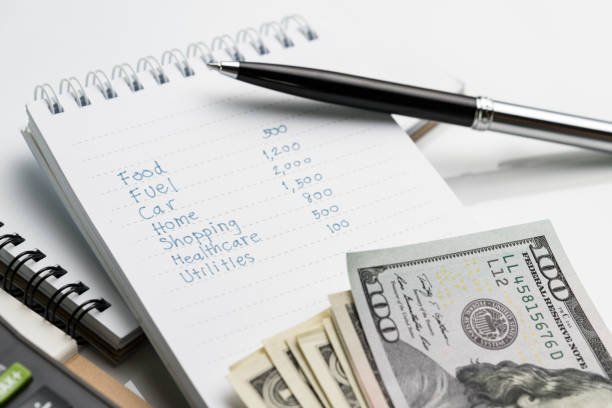
Why Budgeting Is Important
A budget is a financial plan that will help you plan your income and spending. It offers a clear snapshot of your finances and assists with making informed decisions on spending and saving money.
Budgeting offers several advantages, such as:
- Controlling unnecessary spending
- Building emergency savings
- Avoiding debt
- Achieving financial goals
- Reducing financial stress
- The ability to manage money well.Money management skills.
- Those who stick to a budget regularly tend to save more and save for emergencies.
Step 1: Identifying Your Monthly Income
The first step of budgeting is determining the amount of money that you make each month.
Consider ALL SAFE income including:
- Salary or wages
- Freelance earnings
- Business income
- Rental income
- Investment income
- Side hustle earnings
- Once you’re aware of your actual income, you can make a realistic spending plan.
- Next, record all the expenses.
- Many do not realize how much they spend simply because they are not keeping track of their spending.
Track all your spending for a month or more – such as:
- Rent or mortgage
- Utilities
- Groceries
- Transportation
- Insurance
- Entertainment
- Dining out
- Shopping
- Subscriptions
- Miscellaneous purchases
- If you know how much you’re spending, it’s easier to tell where you are losing money and what your spending habits are.
- The next step is to sort your spending.Next, you sort your spending (Step 3).
- Keep your money in categories for a clearer insight into your spending patterns.

These are costs that must be incurred and include:
- Housing
- Food
- Utilities
- Transportation
- Healthcare
- Insurance
- Non-Essential Expenses
These are optional costs and can include:
- Streaming services
- Dining out
- Shopping
- Vacations
- Entertainment
- Luxury purchases
- It’s easier to prioritize spending when you’re able to tell the difference between needs and wants.
Use your monthly income in the following manner:
- 50% for essential needs
- 30% for personal wants
- 20% for savings and debt repayment
- This strategy sets an even balance on how to deal with money and instills a habit of saving regularly.
- Outline your financial objectives by writing them down.
- Having clear financial goals can make budgeting more effective.
Examples include:
- Creating an emergency savings account.
- Paying off debt
- Buying a home
- Saving for retirement
- Funding education
- Starting a business
- Having clear goals will help you to remain motivated and make better spending decisions.
Create an Emergency Fund
Even the best budget can get thrown out of order when it comes to unexpected expenses.
Save 3 to 6 months of your living expenses.
An emergency fund can assist you with dealing with:
- Medical emergencies
- Job loss
- Car repairs
- Home maintenance
- Unexpected travel
- Spending less on credit cards or loans doesn’t occur because of having emergency savings.
Cut Down on Unnecessary Expenses
Little things add up!
Consider cost saving options, including:
- Making meals at home
- Canceling unused subscriptions
- Making a shopping list
- Buying generic brands
- (Before you buy, check the prices)
- Limiting impulse buying
- Small savings made monthly can amount to a considerable savings over time.
Pay yourself first .
- Save what you have first, spend what you have later.
- As soon as you receive a paycheck, put aside some of the money.
- This habit is easier to maintain if automatic transfers are made to a savings or investment account.
- Don’t commit Lifestyle Inflation.
- For many, the more money they earn, the more they spend.
- This is called “lifestyle inflation”.
Instead of blowing all your raise or bonus money, think about:
- Increasing savings
- Investing more
- Paying off debt
- Building long-term wealth
- When you live below your means, your financial security will increase.
- Take a look at your budget every month .
- Money is something that always evolves.
Check your budget each month to:
- Track progress
- Adjust spending categories
- Update financial goals
- Identify unnecessary expenses
- Celebrate achievements
- Frequent evaluations help to ensure that your budget is realistic and effective.
- Smart Budgeting Techniques
- There are a number of ways to budget.
- Zero-Based Budgeting
- Use your income dollars for a specific purpose until you have zero income left.
- This technique helps to promote conscious consumption and eliminates extra consumption.
- Envelope Budgeting
- Use envelopes to separate money, according to its intended use.
- No spending occurs in the category in question until the following month the envelope is back in stock.
- While today many people pay using digital methods, budgeting apps can be used in the same way.
- Digital Budgeting Apps
Many budgeting applications have the ability to allow the user to:
- Track expenses automatically
- Set savings goals
- Monitor spending habits
- Receive bill reminders
- Analyze financial reports
- Budgeting is made easier than ever with technology.
- These are a few suggestions that will help you save more each month:
- Small behaviors can have a great impact over time.
Consider these strategies:
- Do compare providers of utilities if you can.
- Use energy-efficient appliances.
- Schedule meals to minimise food waste.
- Purchase items at the off-season sale.
- Don’t be tempted by credit card debt.
- Take public transport or car pool where possible.
- Discuss bills that are bills that happen regularly, like internet or cell phone plans.
- Set spending limits for entertainment.
- It is better to make gradual changes, rather than radical ones.
- Common Budgeting Mistakes
Here are some things to avoid doing:
- Not tracking expenses
- Creating unrealistic budgets
- Forgetting irregular expenses
- Ignoring small purchases
- Overextending credit card debts
- Not saving to prepare for emergencies
- When you’ve had a month of struggle, it’s easy to give up.After a month of struggle, it’s easy to yield.
- Budgeting takes a long-term approach and is a habit that may falter from time to time.
- The advantages of smart budgeting are evident.Smart budgeting has benefits.
There are a great many benefits to following a budget:
- Better financial control
- Reduced stress
- Increased savings
- Improved credit health
- Greater financial confidence
- Faster debt repayment
- A larger pool of investment funds.A bigger fund of investment money.
- Take steps to become more financially independent.
- These perks can help you to achieve financial and personal wellness.
Final Thoughts
Budgets are one of the best tools available to help you gain control of your finances and make your financial future secure. Knowing your income, keeping track of your expenses, establishing realistic financial goals, and using a systematic approach to budgeting can help limit frivolous spending and help you make better financial decisions.
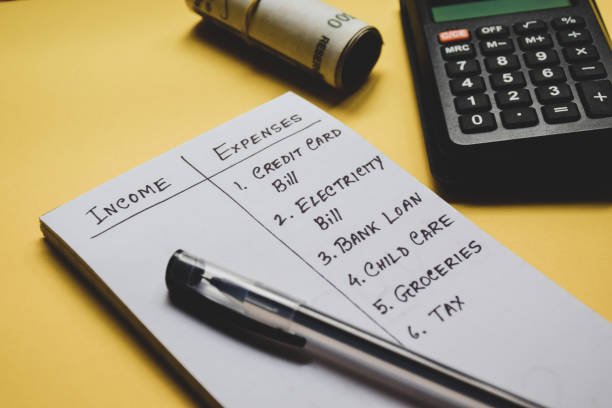
Please keep in mind that budgeting isn’t “no fun” budgeting; it’s “intentional budgeting. Making small adjustments, like cutting down on unnecessary spending, saving regularly and checking your budget often can make a big difference on your finances over the long term.